
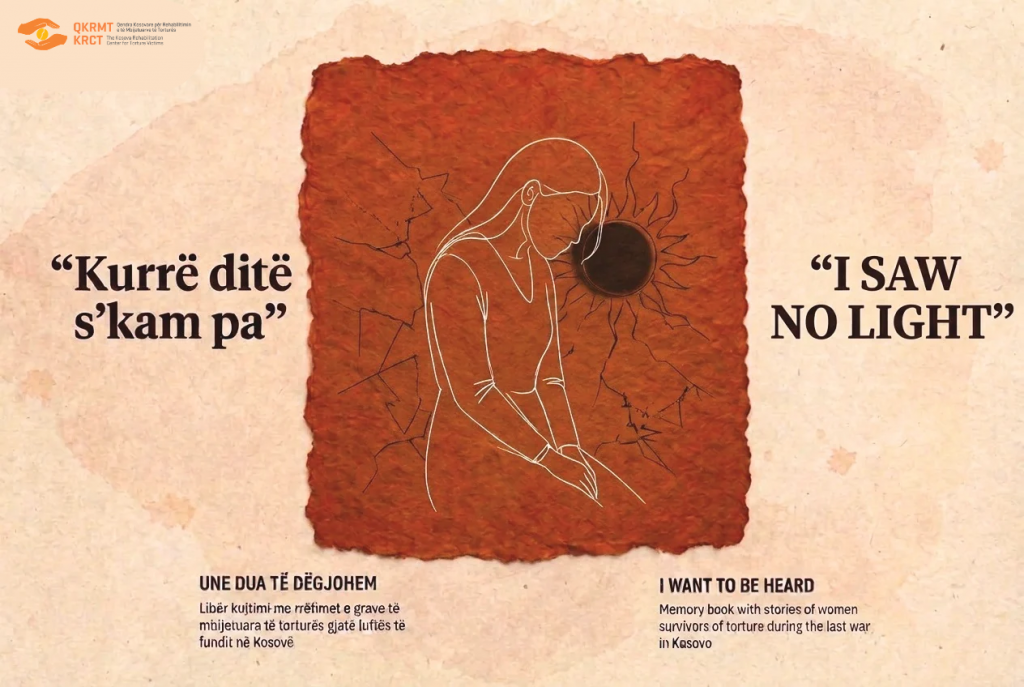
I SAW NO LIGHT
Four different persons embraced me that night in that house. One after the other. Then they beat us up, and pissed on us. Yes, they even pissed on us. It was strange. We could not find our own clothes. And I can tell you, I was surprised how strong people can be to defy suffering.
First Person Narration:
MY GOODNESS
HANA
We had a very difficult childhood. My father grew up as an orphan. I simply recall no good days from my childhood.
I loved going to school. But my grandfather would not allow it, he said we had to go and cater for the animals. I always liked to become a doctor. But we were so poor.
I don’t remember much from my childhood, before I turned 18. That’s when we used to do all the embroidery. We would come to the city, as our uncles were living in the city, and work there. We had our cousins there. I used to love them. We were very friendly. One of them said, “Will you take that young man?” he was very kind, pleasant indeed.
I liked him but I did not dare say it. He had lived in Austria. And I thought, I am a peasant girl, who never lived abroad, I am not schooled, he will not even look at me. So I said to that girl “He would never choose me, so I better spare myself the embracement.” I saw him from a distance but we did not speak. I still remember, he was ever so pleasant. And then we spoke. He wanted to meet and speak to me.
We agreed to get engaged. He said, “If your family won’t give you, we will elope.” It was autumn, before I turned 15. Then we came to the village, and he would see me at times. Years went by, we were very poor, but we would not let people know about it. I was worried or not continuing the school. I thought he would leave me because he will finally see there is nothing in me for him. And my grandmother used to say, “Careful, so as no-one says anything bad about you.”
When I came to the village, I have no idea, but I hear people speak and they say “It is a splendid young man, we must find him a girl in the village.” So without me knowing anything, they engage me to this other boy.
So because my father had agreed, my life went down the drain. My loved one disappeared. But it was different at the time: they would kill you if you opposed. If you did not agree, the groom’s family would feel insulted and kill someone from the bride’s family. My brothers were young. How could I jeopardize their lives. My older brother was in high school. I don’t know why I did not elope at the time. Why did I worry, cry and suffer. Some of the suffering I have forgotten. Some I will never forget.
I was engaged like that for a year or so. And I kept wondering if I should marry him or not. I had never seen the man I was engaged to.
He was reputed to be very streetwise. His mother was sick, he had two brothers and no father. They only had two rooms, extremely poor, but my mom used to say, “It is enough that she is living with her own husband, that he has a job, and she won’t beg for food.”
When I went to my husband’s house… I just cannot describe it. I took my pills and I braced myself. I cannot describe how poor they were. The mother in law was lying there, sick, poor. Mental illness. Two sons were both sane. But my husband was not totally sane. They had two rooms in total. One they left for us, there was a kitchen too. They were extremely poor and it was terrible.
When I would go back to visit my parents, I would cry there for hours. I was really disappointed. He was not a man, he would spend his day with other women, he was a loser, poor, had no food to feed himself. I was pushing my days in that house. Two years later I got pregnant with my first child. I had an accident in the yard while pregnant. My baby had suffered injuries. I went to Prishtina to the doctor. They said they had to clean me, so they did and then they said to make sure I don’t remain pregnant within the first six months after the birth.
Then I gave birth to my daughter. We were extremely poor, and it was so hard. Nothing to eat or drink. I had to wash the clothes for the entire family, and they were dirty, poor, sick. And I had some pains while still pregnant, I had entered my ninth month. The fourth day or so, it was.
And a private doctor in Prishtina, she suggests to me to go to the gynecological ward in the hospital. She said there are Albanians and Serbs mixed as a team, but they have all the equipment. “I cannot treat you here,” she says.
So we go to the hospital, and in the reception there were some Serbian nurses and there was a Serbian doctor. They all open their eyes widely when they see me. They put me on the table where they do the check up for patients and they started to tear off my blouse. I asked “Why don’t you speak Albanian?” It was 1992.
They give me some nylon garment to wear, and they put me on a certain desk for the doctor to look at me. He presses my stomach and I feel terrible pain. Then they put me inside a lift. They put me on a white bed with wheels and then put me inside a lift. Two nurses start to undress me, and they swear at me while taking me upstairs. They leave me with this man. He was big and had a white tie… yes, he raped me. He raped me inside that gynecological hospital there in Prishtina.
The Serbs had just taken over the entire hospital institutions. That’s when it happened. Then another three guys came. They put me in a room. One of these other guys was a policeman, he had an automatic rifle on him. He goes “Get up! Why are you here?” But I was suffering in pain, could not even move. I tried to but it was very painful. They started to beat me up. I don’t even know the reason. We were some women there trying to give birth. So one of them had already raped me. They inject me with something and they say “Get up and go where you were!” First it was that guy with a white tie and then following him came those other guys and they all came in one after another above me. There was a policeman, dressed in uniform, among them. With an automatic gun.
I lost my conscience and fell on the ground. And then they continued there. They raped me, they injected me, a needle in the gluteus. Then I had terrible pain. I gave birth. It was a girl. I remember when I heard her cry. I don’t remember anything after that. I had lost my conscience; I had lost a lot of blood. And they kept me in there for another four days. They were giving me some blood transfusion. I got so scared then. A doctor came with a black beard. I asked him “What are you doing to me?” He said “Blood, blood.” I spent there another four days. They would not give me any food. I was exhausted, hungry and terrified. I don’t know how I survived it.
I gave birth. But I didn’t see my daughter straight away. They brought her to me in the evening. They would bring them on a trolley. Not like today that they leave the baby next to the mother. Now they leave the baby next to the mother. My sister in law had two babies, and they were always there next to her. While putting the baby on the trolley, she drops my baby. She dropped her.
The baby could not suck any milk for two days in a row. She did drop my baby right in front of my eyes, but I dared say nothing. They were all Serbs at the time. Who could you complain to for anything? They were all Serbs; I did not see a single Albanian.
I took my girl, as she was crying from the fall. They released us after a while. The girl had a bruise on her shoulder. And her nose was a bit yellow. She would not suck any milk. “My daughter is sick”, I told them. “She’s OK. Go home.”
I came home. It felt so totally different with a child in the house. Your life seems to get so busy. My mother and my younger brother came to visit me. I was lying on a bed, helpless and still exhausted. I was so depressed. I just wanted to die and not live any second longer. My daughter was so sick she would not suck any milk.
My mom was so happy I had a child. Everyone was. Let me wash your girl, mamma said. A woman from the neighborhood came too. She said, “I hope you get better soon. Your baby looks very sick.” I was hoping her wound would heal, I did not know. My mom asked, “What is that bruise on her shoulder?” I told her that it was because she was dropped. My mom said it would probably heal too. I held her in my arms, and she was suffering. She died. My mother came back to see me. She lives a short life in this world. My mum was so sad too. That’s when she got her diabetes. I remember it was Sunday when we buried her. I still remember her face.
How could those people work as doctors? I never forget that. There was no rule of law. That is something you just don’t do to anyone. And they would also come to our houses and beat us up. And my husband, six days later, said “Come to the room!” he undressed me after we entered the room “What is this? Who did this to you?” he asked after he saw my bruises. So I told him what had happened. Parts of it. I did not dare tell him the entire story. “Who did you sleep with while there?” he asked. “What is this?” Then he started to beat me. He wouldn’t stop. But I never dared tell him. I just could not tell him what exactly had happened. I said, “There were some women there. And while undressing us, they started to beat us up.”
I could never tell him that we were raped while waiting to give birth to our children. Maybe it would have been better to tell him, but I just did not dare. He was a mean person, so I did not dare. But he would beat me up “Why did the baby die?” “They dropped her!” “Where were you? What were you doing?” “I was there, on the bed. They were bringing the girl to me in the room.” Three years later I ran away from him. I left and said, “I cannot return back to him.” Five years of suffering. I just could not take it anymore. We were already poor and hungry, but he would also beat me up, and I could no longer take it.
The thing with my daughter happened back in 1992. Three years later I ran away from him.
Then my parents were trying to marry me off elsewhere. Then they found me this other husband, to whom I am married now.
When this man asked for me, I was told he had three children. When I came here, I found six children. I was still young. I was 27. And the man they married me for was about 50.
I was OK with this other man. He was not a crook, nor was he into trouble.
My teeth got darkened and he made sure I get them fixed. He also made sure I get dressed nicely. Some of the teeth were broken later during the war when they threw bombs on us. So I was better off here, but I was simply unlucky.
I had my mother in law and his children to look after. He had two sons. One grown up in Germany, the other one still there with him. They hated his father for looking after me.
Yes, this husband was much better. He would not beat me up, nor yell at me. I was warm, clothed and fed. So my health improved. People no longer recognized me. Then the war started.
And when it did, we had to leave house. And when NATO started to bomb them, on 24 March, or was it the 28, I get confused… It was all downhill from then; we had to run away from the house. We had just purchased a good car. It was a Fiat. And when the Serbs see him drive that car, they pull him out and
they beat him up and take his car. One of them would go Take it!” and the other one would go “Drive me to the center!” they beat him up, but in the end they had given him his car back. He managed to get better after a short while.
We went to another village but they were throwing shells on us. We went inside a house and sought shelter there.
Then we went to another nearby village. We would stay in the field. We would take turns to sleep inside the car, but it was very cold.
Then we all stayed outside. There was a small shack and someone would bring some wood. We suffered so much. We were so cold. We would all sleep in there.
We went to another village and slept in the barn on hay. The lady of the house said that they could give us some spongy mats. She also gave us some blankets. She also gave us some food to eat. At night they would start to shell the village. That’s when we went out and went downhill, walking to get away. They come to us with a tractor and offer us to join them. We were lucky and we climbed that tractor. The children and me. My husband walked. They were shooting from the distance. They killed a person there. He was a soldier, fighting for freedom. They shot him with a sniper from a distance. We continued on that tractor. At times we had to get down, as the tractor would not pull all that weight. In the morning we arrived in the city. They separated some of the people from the rest of us. Then we entered the city We saw an abandoned house, so we went inside it. We slept there that night and had something to eat. As it got darker some people dressed in black uniforms came to the street to patrol. They looked like paramilitaries. They asked how many we were and if we had come from elsewhere. Then they went somewhere. But about 20 minutes later they returned. They come and grab us. I was at the sink trying to wash a tray.
They separate my husband and some younger men, they lock them in some rooms. I thought they would kill my husband. They had beaten him up, taken the gold from him, and the money he had. And the children were crying and screaming. And then they grab us. They were jumping over the men, and they took us to another house. It was about one o’clock past midnight and they made us walk for another hour or so.
They took us to another house. In the room, there was a young girl. One of them kicked her in the stomach, and she fell on the ground. There was a lot of blood, pulled hair, many women, they were exhausted, like dead, they were on the floor facing it, and never moved. I saw women clothes torn and thrown everywhere, and bloody panties and bedsheets on beds. It was a three-story house. You just cannot imagine what we saw in that house. As the morning approached they undressed us and they started beating us up. They left us in the hall.
Four different persons embraced me that night in that house. One after the other. Then they beat us up, and pissed on us. Yes, they even pissed on us. It was strange. We could not find our own clothes. You just could not find your own clothes inside that mess. And I can tell you, I was surprised how strong people can be to defy suffering. We were exhausted but still managed to survive. They had beaten us so much that we could hardly move. There were a couple of them still in the house and I don’t know how we managed to runaway. There were no Serbs in the streets at the time we got out. When I came to the other house, my husband was covered in blood.
We came back beaten up, swollen, my face still aches a bit today from that beating, and they broke a tooth, because when they’d beat us, they would kick us. And when one of them hit my arm, it got swollen. So back in the other house they tied it up for me. It hurt so much. I don’t know how I am alive today. They insulted us, kicked us, embraced us and then pissed on us in the end. When I came to the other house, I was happy that despite everything, my husband was alive. We spent that night in Prishtina as well. My husband asked “Did you get out alive?” “Yes, I’m alive,” I said. We were there with my husband’s brother and his wife. We all slept there that night. The next morning they came and asked us to leave.
We went back to our own village. My husband was separated while in the city. He came on foot. We travelled all day, from midday, and in the evening we were home.
I had pain all over my body, I was sick, exhausted, beaten up, I could barely stand on my feet. I was worried, scared. On the way back the Serbs see us move. They stop us and beat up the driver. They take all of his money and his watch. Among them were some soldiers and some other guys dressed in black uniforms.
And they would say, “See how they have put the old women above.” They made the old women get down on the ground, they would take them by hand to help them get down. And then they start beating us up, all of us that were there. They made us give them whatever valuables we had. I had a ring and gave it to them. I had a chain in my inner jacket pocket. But we did not mind giving it to them, all we cared about was to get out of there alive. Then they showed some mercy and asked us to get away. We remained there for some hours, beaten and exhausted. Another tractor approached. They went to them and started to harass the other people. They don’t let us go to our own houses, and they collect us. They take us to another village. We all slept inside a school there. Then we go and find an abandoned house. The inhabitants had run away, so we went inside it.
We go there, put on a fire and make something to eat. We could not find much. Some flour, but no baking powder or anything else. Thank God the inhabitants of the house returned. That’s where we were for the Eid, as well. There were about a thousand displaced persons. They cut a ram, at least to have some more and better food for the Eid.
I had no idea where my husband was. He was not with his older son, or with his daughter in law, and he wasn’t with his brother either. They had separated. They had been held in some sort of a cave. So we stay there and the army would come asking how many were we and where from.
And God almighty wanted NATO to bomb them right there, and they destroyed some tanks. So we survived.
We went back to our homes. It was full of blood, women’s clothes. They had cut, raped, slaughtered, God knows what they had done in there. After a month or so I went to the hospital, because my period had stopped. It was more like two months in fact. And then it was three months without a period.
When the bombing stopped, NATO forces came. We could go home. I was so
tired and sick. I went to a doctor in Prishtina. They stop me in the hospital. I was sick, and the doctors they say to me “You are not pregnant.” I was happy to hear I wasn’t. After all that raping I was not pregnant. I was given some drugs to help me calm down, but the pain would not stop. So much pain, I could not bear it.
I no longer feel any joy; I just can’t feel joy any more.
I still have some pain. Just like during the war. It just feels like it was the other day. I now take the medicine regularly. I get a treatment. And I am not afraid because I take my pills.
My husband is helpful at times, and at times not. He dislikes me now. He swears and yells, saying “How can this happen to me? Why me? Why my wife? Why did we not go and live abroad when we had a chance?” When the OSCE withdrew we should have withdrawn.” He has a lot of spite. He is angry. But it’s my sister in law who is badmouthing me among people. And I had a quarrel with her, but in vain. I did beat her up, but it did not change a thing. That’s how it has been. I have never been well ever since.
I am afraid that we will be forgotten. Nobody speaks about our suffering ever since Atifete Jahjaga left the presidency. And I am afraid because we did not tell, so will get nothing. So we just watch the news on TV, hopeful, but in silence. We fear we will be laughed at. Maybe something will come out of this all, but we did not speak. We were ridiculed. Things are moving very slowly.
I would like to ask them to respect the laws, rules, because we are not the only category to have suffered. Whoever has helped us, may they be rewarded by God. May God reward all of the doctors who have helped, workers, children, schools.
The book “𝐈 𝐖𝐀𝐍𝐓 𝐓𝐎 𝐁𝐄 𝐇𝐄𝐀𝐑𝐃” was created through the collaboration between Integra, forumZFD – Kosovo Program, and KRCT – Kosova Rehabilitation Center for Torture Victims
English
To read the full book, click here.
Shqip
Për të lexuar librin e plotë, klikoni këtu.
HËNA : KURRË DITË S’KAM PA
N’qat shpi më koritën katër vetë, me ren. Tani, na rrehën na sakatunë edhe na pshurrën, çudi more! Edhe na pshurrën… Teshat tona s’i gjojshim hiç. Na bonën zi e terr! S’di ma anej ku me kallxu, po ma i fortë se insani s’kish kërkush.
Rrëfimi në vetën e parë:
HAJ MEDET HAJ
HËNA
Fmininë e kena pasë shumë t’shtirë. Edhe baba jem ish konë rritë jetim. Nuk maj n’mend kurgjo t’mirë në fmini.
Shumë m’ka pëlqy me shku n’shkollë. Po nuk na lejke babgjyshi, se na thojke duhet me shku me i rujtë gjatë. Shumë, shumë, gjithë m’ka pëlqye profesioni për mjeke, gjithë kom pas qejf. Haj medet haj, po s’kishim kushte.
M’kujtohet pak diçka qat’here që u rritëm, pak diçka maj n’mend deri në 18 vjet. Qat’here punojshim… Qat kohë ma s’shumti që kishim qef, punojshim punë dore. Vijshim te dajtë, i kena pasë dajtë n’shehër, n’qytet jonë konë, punojshim. Te dajtë ishin edhe çikat e tezës. I dojsha. Ishim shoqe shumë. Njona tha, “A pe merr qet djalë?”, ish kanë i mirë… ish kanë i mirë boll.
Mu më pëlqej po s’guxojsha me thanë se na qitshin faqen e zezë. Ai djali
n’Austri ish kanë. Po thashë une a din çikë e shpisë, masi n’shkollë s’jom, tybe s’ëm merr ky mue. Asaj çikës i thashë, “Tybe ky s’ëm merr mue, veç po mashtrohna e bona gaz”. Une e pashë prej s’largti, po at’here s’folëm. At’here s’folshim, kurrë s’e harroj sa t’jom gjallë, kurrë… Ai ish konë i mirë, sjejllja e tijna. Edhe u pamë, a din dajtë e tezet i kishim ngat, kur tha, “Veç me folë”.
Po folim tha, “Kysmet po fejohemi, që s’fejohemi pa t’ikë s’kom me lanë”, O konë vjeshta qaty para se mi mbush 15 vjet. Erdhëm tani kha n’katun te shpija, ai qashtu… e pajsha kanihere, m’pajke. Hajt do vjet shkuen, i kishim do punë, do skamje, do telashe, hjeka, po apet a pe din nuk e marrke vesh kërkush. Hjeka, boll isha mërzitë për shkollë që na ndërprei po u tutsha, thojsha ka me m’lanë, se e sheh që prej meje s’ka interes kurgjo, thojsha ku me ditë. E lokja e dajve thojke, “N’odë duhet me u rujtë se mos po thotë kush najsen”.
Kur vij, kha n’katun, nuk po di une gja hiç po thojnë, “Ni djalë i mirë, duhet me fejue n’katun”. Edhe pa ditë gja une hiç, m’fejojnë.
Jo për këtë djalin po për një tjetër. Për ni fjalë goje m’shkoi jeta. M’shkoi jeta poshtë, e ai u bo dhe. Po at’here u kon nrysh, e mytshin njerin. Me nalë robin, u mytë njeri. Vëllaznitë i kisha t’rijë, ku me i qitë me i mytë. Vllaun e madh e kisha n’shkollë t’mesme. Valla s’po shkoj, po s’di pse s’iksha qat’here. Pse u munojsha, kaj e kaj, mërzitu, s’po shkoj… po shkoj. Do i kom harru do hjeka, do s’harrohen kurrë për jetë.
Për ni fjalë goje..Kishe nejta nja ni vjet qashtu e fejume, a me shku a mos me shkue. Une atë djalë s’e kisha pa që shkojsha nuse për to.
Ai bajegi ish kanë njeri i sokaqeve. Nanën e kish pasë smutë, babë s’kish pasë edhe dy vllazën. Veç dy soba i ka pasë, fukare sa t’thuesh, po nana thojke. “Veç që osht me burrë t’vetë, e ka burrin n’punë, nuk ia lypë ni trohë bukë kërkujna…” Kur shkova u çuditshin ata, hina n’atë oborr, ish kanë ajo gruja e smutë, ni gru e mixhës. Oh Zot i madh… me iu përshkru, film, nuk di. I kom pi kokrrat edhe jom shtrëngue. Me ju përshkru film, nuk di qysh. Qysh ish kanë ajo smutë, ajo vjehrra… fukare. E smutë psiçikisht. Dy djemtë e shnoshë prej menje ishin kanë. Por ai nuk ish kanë taman ai djali, burri që m’kanë çue për to. Dy soba i kish pasë, njo e jemja, ni kuzhinë, haj medet po fukare, po keq.
Te shpija, babës e nanës qaty kajsha e u mërzitsha boll. S’ish ai njeri, veç rrijke me gra t’hallkut, s’ish njeri, far majmuni, fukare, bukë me hangër s’kish. Hajt qashtu tu e shty, mas dy vjete meta shtatzanë me ma t’parin fmi. Rrëzohna n’oborr sa jam shtatzane… Ish dëmtue beba, edhe shkoj te mjeku… n’Prishtinë. “Valla s’bon pa u pastrue”. E m’pastrojnë, kur m’pastrojnë thojnë…. mas gjashtë mujve mos gjoj mo fmi
Tani menihere e kom gjetë çikën, Ishim fukare, haj medet s’kishe çka han, as s’kish çka pin, u untojsha, u eçtojsha. Haj Zot çka kom hjekë, me jau la teshat, e ata t’smutë, t’gubaftë, t’flliçtë. M’rrokën kishe do dhimtë, po s’i kisha unë dhimtë se kisha hi në t’nantin mujë, njo tri ditë a katër.
Edhe te një doktoreshe privat n’Prishtinë, po m’kqyrë, kur thotë, “Shko n’spital, ka t’përzimë shkije e do shqiptarë, jonë mjetet krejt se s’guxoj me t’nalë”.
Hymë n’spital n’Prishtinë, çka me hi… çka me hi, n’pranim ma s’pari do motra ishin kanë shkina, ni doktor ish kanë shka aty, ni tavolinë që e bijnë me na kqyrë gratë. P’i frynë sytë ai doktori shka, doktoricat shkina, qeshtu na i çkyejshin kaaap {imiton zhurmën e shçyerjes e na kapshin, na çkyjshin blluzat. Thashë, “Pse s’po folni ju shqip?”. Kjo ka ndodhë në vitin ’92.
E t’na qesin najllonin me i veshë t’spitalit. E t’na qet ni tavolinë, doktori me na kqyrë. E t’na i prekë barkat, e tu m’nrydhë… a plasa, plasa. E kesh e kesh, e a plasa, plasa.
Kurrë s’e harroj hjekën, na shtinë n’lift. Hypën n’shkallë me kravatë t’bardhë, ish kanë i madh, m’kanë kapë n’lift. Edhe dy motra, po m’i deshin teshat, po m’fëlliqin deri sa shkumë naltë. Ish kanë i madh me kravatë t’bardhë… Po, m’kanë dhunue. Po n’lift, n’qet liftin e spitalit tonë që osht’ n’Prishtinë.
Qat’here që jonë kanë shkijet, e kishin pa marrë krejt. Edhe shkojmë na, na hipim naltë, hijmë në ni sobë. Po vijnë njo tre, do tjerë, po vjen ni si milic me automatin e pshtetë, unë isha, ma ka bo, “Çu til Çka ki ktu?” Unë at’here veç u qartsha me dhimtë, knej e anej… dhimtë, luj njo, luj njo, me qato dhimtë. Qashtu na kanë koritë, qashtu na kanë rrehë. Pse… e çka, tybe nuk di, veç mos na ngushto Zot. Për lift, edhe na që ishim n’ato sobat, a din që dojshin me i gjetë fëminë. Pritshin me i hekë qaty. Edhe hijmë na, m’koriti, m’fëlliçi njo, ma dha ineksinë. “Çohu” tha, “atje ku ke”. Qashtu m’hipën mu edhe mes dy syve t’mi e din krejt dyjeja. Qai… që u konë me kravatë t’bardhë n’lift, po tani tjerët jonë ardhë renë, njo katër. Ata masanej. Po, edhe ni milic o ardhë me tesha… kështu si aftomat.
M’ka ra t’ligtë tani edhe jom gjue n’tokë, tani aty edhe prej dhimte, edhe prej tute. Tani ka dhonë Zoti do tjera motra qaty.
M’dhununë mirë, m’kqyrën, m’dhununë, ma dhanë ineksinë, ni gjilponë qitu n’kukë. Ma dhanë qat ineksi, e m’rrokin dhimtë. E gjoj. E nij kur ka kajtë çika. Mo kurrë nuk di gja, m’ka ra t’fiktë prej s’lodhni, m’u Ishu gjakderdhja, katër ditë tani m’kanë majtë qejtë e poshtër n’atë sallë. Po s’ëm kanë mytë bile krejt. Tani e di qaty jonë tutë ma s’shumti, kur m’kanë dhonë gjak. Ni doktor o ardhë me mjekërr, i zi, qaty i kom thonë, “Çka po m’ban?”, tha: “Gjak, gjak”. Edhe qaty m’ka dhonë gjak, kom nejtë nja katër ditë a tri. Qysh po rrijnë sot… që thojnë n’shok dhomë. Ratë, e m’çitshin zall diçka, m’lidhshin, pa hangër, pa pi, veç qaty kom nejtë. Hjeka e tutë, s’di qysh po foli sot e qysh jom.
E kom lindë çikën, mo tani çikën s’e kom pa, kom nejtë qaty, kom nejtë, natën ma kanë pru. Me ni kerr i prujshin bebat. Jo sikur sot që p’i lejshin te kryet, kur i ka gjetë kunata jeme dy djemë t’vocërr, te kryet po ua u lejshin. Tu i ngarku fmitë n’atë far kerrin e madh, e… bum bum (imiton zhurmën v.j.) ma rrëzon çikën. Kështu hopa i merrke dy beba. Ma rrëzoi çikën…
Çika e la gjinin s’thithi nja dy netë që nejta qaty. Ma rrëzoi çikën nër sy, po s’guxojshe me thanë kurgjo. Qaty bile me lajmru dikon, po ishin shkije at’herë, s’kishe ku, s’kishe ku.
Krejt shkije, kun shqiptarë s’kom pa.
Çikën e mora qashtu t’rrëzume, na Ishunë për shpi dikur. Çika, veç krahu iu kish pa nxi. Edhe pak huna e sari. E la gjinin s’un thithi, “O valla çika smutë”. “Mirë, mirë shkoni n’shpi, n’gjendje t’rregullt osht”.
Erdha te shpija. Tjetër atmosferë po t’u doke me fmi. Jeta dupllo po t’kushtojke, ndaç t’osht’ çikë, ndaç t’osht’ djalë. Shumë, shumë, shumë n’kët’ dyje ma shumë s’kisha dashtë veç me dekë, mos me jetue mo. Vjen nana me m’pa me vllaun e vogël. Une isha ratë, çika ish e lodhët nuk thithke hiç. Qashtu t’u hjekë, po hiçke fmia i vogël. U gëzu nana, tonë u gëzunë, “Ama te laj çikën”. Erdh edhe ni gru e kojshive kishe me m’pa, “Ça po ta merr menja bre? E lodhët koka çika. Po loçka jeme, ishalla je shnoshë vetë, këta jonë t’rijë, se kogja e lodhët koka çika”. Edhe unë kujtojsha që p’i men, s’dijsha vallahin. Kur po thotë nana, “Po çka ka oj nanë çika e zezë n’krah kështu?” thashë, “Oj nanë qështu po osht vallahin, veç zaher që e rrëzunë, po i men. Po, po i men”. N’dorë e pata, hiçke, hiçke me dekë… m’diç. Erdh nana me m’pa. Paj njeti n’këtë dyje, kurrë se ka harrue as nana. Kurrë nuk e kom pa t’u keshë. Qaty e ka fitu sheqerin. E dille o kanë ajo ditë që o hie n’dhe, kurrë s’e harroj ftyrën e çikës…
Qysh more asi gjinë ishin konë pa men, mjekë. Unë ato kurrë s’e harroj, as s’ka pasë ligj as shtet. Kurrë, kurrë se ashtu s’u duftë me ia bo kërkuj. Po ata vijshin edhe nëpër shpija na rrehshin, na kputshin.
Burri tybe… burri tha, mas gjashtë dite, tha, “Hajde n’sobë”. Met pa duhan kur m’çoi n’sobë, m’deshi, çka me pa trupin, tha, “Çka je bo kështu? Kush t’ka hongër me dhomë kështu?”.
Vallahi i kallxova, do-do se krejt mozallah kush guxon. “Kush t’ka hongër n’dhomë? Pse kështu?” Veç masanej m’rrehke. Burri, edhe kurrë mo s’ma dajti dajakin. Po s’kom guxue me kallxu.
Nuk guxojsha, me i kallxu krejt çka ka ndodh. Thojsha po m’lëshon. I thash “Na rrehën, qaty do gra, na deshën teshat e veç na rrehën”.
Na kanë rrehë. Se që na kanë koritë t’u gjetë fëmi, tybe n’guxofta, veç që na kanë rrehë. Pasha Zotin s’guxojsha, nashti u konë ma mirë me i kallxu, po jo. Ai u konë njeri i poshtër, s’ke guxu. Përveç na kanë rrehë vallahi, se s’guxofta, thashë a din m’lëshon. Po… haj medet haj. Po ai m’rrehke masanena, s’ma dajke kurrë. “Pse diç çika?” “Çikën e rrëzunë” “Ku ke ti?” “Une kesh qaty, na prunën me na dhonë çikën n’krevet, se une n’kamë s’jom konë, tybe n’te kom rrëzu unë”. Edhe hajt, hajt qashtu, pasha Zotin deri qaty mo erdhën prej shpije krejt çka patën. Mas tre vjete ika prej tij, jom dalë, thashë, “Unë mo s’guxoj me shku te ky”.
Pesë vjet t’zeza ditë n’ditë. Thashë unë mo nuk guxoj me nejtë se le uni që po des se s’po kem, po marova prej t’rrehnit t’tij.
Kjo me çikën më ka ndodh qaty 92-tën. Mas tre vjete ika prej atij burri.
Tani nana e baba m’lypshin mem martu diku tjetër. Po fëmi t’vogël thojsha s’muj me i kqyrë. Ma gjojnë apet qit vend, burrin ku jam tash.
Kur um lypi ky burri, me msit, thojnë nihere “I ka veç tre fëmi”, kur vij, i gjoj gjashtë fëmi. Ky u kanë i ri, i zoti, p’i pëlqej këtij burrit. Une e re jom konë. Ky ish konë i vjetër, do fëmi, namin e zi.
I ka pas nja 50 vjet, Une 27.
Mirë isha me këtë burrin. Ky as nuk ish konë i udhve t’kqija, as qen as kurgjo hiç. Dhomët m’u prishën, m’u nxinë, m’i hujdisi do dhomë, do tani m’u thynë n’luftë kur na rrehën, që na gjuen. M’i hujdisi dhomtë edhe m’veshi. U bana shumë mirë po a din, e pafat.
Vjehrrën e kom pasë, edhe fëmitë e burrit. Djali i burrit, njoni ish konë n’Gjermoni, njoni aty. la morrën inat burrit pse më kqyrke edhe u kujdeske për mu.
Po me burrin shumë mirë. Ky s’ëm bërtitke, nxehtë e kisha, me hangër bukë e m’blejti tesha, s’ëm bërtitke. Edhe mire, i çela sytë. U ktheva, u hujdisa, s’ëm njofke kërkush. Kur u dhezë lufta!
E t’u dhezë tani lufta. E dalim tani prej shpije, mo me 24 kur i ra NATO-ja n’mars, a me të 28-tin, qeshtu po m’doket, po m’përzihet. Dulëm prej shpije. Kurrë mo ditën tem s’e pashë. Mora teposhtëze. E kena pasë ble at’here ni kerr
t’mirë. E burrin… shkijet ku ia pajshin atë kerr, u konë nifar FIJAT tip, shumë i mirë. E marrin e rrehin nihere burrin, e ia marrin kerrin e njo thojke, “Merre”, njo thojke, “Hajde zovatëm prej punktit” ku u konë “dej te komuna”. Edhe e rrehin, e sakatojnë veç apet ia kishin dhonë kerrin, po s’kish çka i vyen kerri, po nom, nom bani ma mirë diçka.
Kur shkumë me ni katun desh na mytën me granata. U shtremë n’atë far shpije, krejt.
Mandej shkumë në një katun ngat. Rrishim me një fushë. Rrijshim me ren n’kerr, veç kena nirthtë deri qaty.
Krejt tani jashtë kena nejtë. Ni kolibë dikush e bijke me do dru, o çka kena hjekë, çka kemi nirthtë qaty. Tonë robtë qaty flejshim.
Shkojmë me ni katun tjetër e bujmë në ni pleme te sana. Del ni grue, zoja e shpisë e thotë, “Vallahi s’kena ven ku me ju shti, sfyngjera kem” na i dha do qebe, në ni pleme me sanë. E na dha do bukë, “Bre vllaznia e mi, s’kom ku me ju shti, bukë po ju dhojmë”. Akshami, vijshin granatat, kuku nanë o nanë. U ba… qat’here ia nisëm e murrëm teposhtëzen ka pak, ka pak, hajt, hajt, ecëm.
E thojnë, “Mule, hipni n’traktor”. Qato igball e kena pasë, në ni traktor jena hipë. Fëmia e vogël, nusja, burri ka ecë n’kamë. Aty dulëm, u dhezë lufta, njo bile e vranë qaty menihere, ish kanë ushtar, i veshun. Ato e gjujnë me snajperkë e vrajnë. E hajt. hajt gjithë ditën na, e gjithë natën tu ecë. Hypëm tani te ni traktor, herë zhdrypshim se nuk ngrihshin ata far traktora, kur erdhëm tani n’sabah drejt n’qytet. O qaty pak pa hi do i dajtën qaty, po hijmë ma heret n’gjashtë.
E hijmë n’qytet. Aty e pamë një shpi prej ku ishin dalë nejrëzit, e hyjmë mrena. Qat natë bujtëm, hajt e hamë do bukë. Akshami tani kur erdh, para akshamit jon konë edhe nihere kqyrën do si tesha t’zeza ishin kanë, tybe si ushtri. “Sa jeni, ku jeni?” qashtu, shkuen. Eh mirë, shkuen, u krye, na kujtoftëm që shkuen. Kur tani po vijnë apet mas njizet minutave. E t’na kapin, une jom kanë te sodoperi tu e la ni tavë.
E t’i dajnë burrin e do djemë t’rijë, kështu do soba a din, do far shpijash e t’i marrin t’i ngujojnë. Po s’dita, kishe e mytën burrin. E t’i kishin rrehë, e kanë marrë dukat, e marrin pare. Rrehë, mytë, ata fëmia e vogël, brit e brit tu u çmendë. E na kapin qeshtu për dore. Qaty me burra, ata tu i shkelë, tu i shkelë tetonë tu i pucavë. E t’na kapin na çuen aty me ni shpi ma larg. Ish kanë ni shpie madhe kah dy-tre kat. Ni i shkretë sahati nihere ec e eci deri n’dy t’natës.
N’atë sobë, ish kanë ni çikë e re. Si i ka çepu nihere shkelëm, e ka gjue. Ki pasë gjak, ki pasë flokë t’ngrehta, ki pasë gra, ishin kanë t’myta si flejtun rrijshin përmys, nuk livritën kurrë. Çkamos ki pasë, tesha t’grave, a brekë a gjak a kreveta që kena pa. Tre kat ish kanë, do u dirgjshin, tu u rrehë, tu qitë tesha, flokë, sene… çka t’kujtohesh n’atë shpi që kena pa, deri n’sabah. N’sabah perenia, na kanë deshë e na rrehën, na qitën n’korridor.
N’qat shpi më koritën katër vetë, me ren. Tani, na rrehën na sakatunë edhe na pshurrën, çudi more! Edhe na pshurrën… Teshat tona s’i gjojshim hiç. S’mujshe ti me gjetë aty teshë tane. Na rrehën, na sosën e na pshurrën. Na bonën zi e terr! S’di ma anej ku me kallxu, po ma i fortë se insani s’kish kërkush. Qaty valla jem lodhë, veç s’di qysh jem ardhë. Na rrehën mirë, na mytën, na sakatunë. Nja dy veta kenë qaty, nuk di qysh jem ikë. Do duqa i kom veshë, edhe jena dalë. Nuk kish pasë shkije n’qat far vakti kah n’shtatë që jena dalë prej asaj shpije. Kur erdhëm këtu ku kem, burri i rrehtë, veç gjak.
E vijmë aty t’rrehta, t’llomita, vijke tu m’u ajë ftyra, qitu hala m’dhem ftyra sot. E ni dhom ma thyen, se a din kur na rrehshin, na gjujshin. E dora, qikjo, qysh um ka pritë, veç qitu, m’u ajë qikjo. E qito ma shtrënguen, tybe nuk di ma zi. Veç s’di qysh jom sot, qysh po rrnoj sot. Edhe na rrehën e na shajtën, e na pshurrën, ma s’mrami, çka ni t’zezë na banë. Kur erdha, hina aty, burrin u gëzova qaty e pashë, bujtëm edhe qat natë n’Prishtinë. Deri n’sabah bujtëm, tu keshë burri, “A je gjallë?”, thashë, “Po, po, gjallë jam”. Ajo kunata për kunat na bojke, “Po ti s’vyn gja mo, që e kanë marrë shkijet” keshke ajo u ngryske. I thojke qaty do grave ça ishin. Kunata, kunata u thojke grave. Rijmë qaty na edhe qat natë, bujmë. T’nesërmit po vijmë, po thojnë me ec.
Mo u kry ajo. U kthymë në katun tonin. Burri u nda n’qytet. U ardhë n’kamë… Na gjithë ditën udhtumë, erdhëm deri n’aksham prej 12-ve deri n’aksham jena ardhë prej qyteti.
Trupi m’shkojke krejt rekë, e smutë, e lodhtë, e rrehtë, komtë s’um majshin… haj medet haj, e mërzitë, e tutë. I pajshim shkijet që erdhën. Rrugës na nalën e te rrehin shoferin. E t’ia marrin paret dej edhe sahatin e dorës. E te rrehin e t’ia shtijnë krytë ktu për llastik a e din përmas që ishin me t’mbluet ata llastikat. Ei qitën bajagi do plaka kështu përpara ja nisën ata keshin, do ushtarë t’ri ishin kanë, e do t’zi ishin konë me shirita n’dorë n’qat ven qaty.
Edhe thojshin, “Shih qysh i kanë qitë plakat knena. Qitni këto plaka n’tokë”. E ti zhdrypin plakat n’tokë, për ni dorë i kapshin. E t’na zhdrypin krejtve t’na rrehin qaty mirë. Qaty na rrehën, na plaçkitën, çka patëm do sene, do cikrrime, na bastisën. E kom pasë ni unazë.
Na i murrën nja dy unaza, ni zingjir e pata n’xhep n’ostar t’palltës. Po s’na rajke n’menë për ato, veç ça me bo veç me pshtu. Po, po veç me pshtu, diçka murën. Plakat i kanë qitë knena prej dere renë. E tani nom na dha Zoti… e thanë, “Ecni!” E rrehën atë shoferin me neve. Nja dy-tri orë qaty t’rrehtë e t’përplastë metëm. Neve na lanë. Erdh nji tjetër traktor, i hallakatshin edhe ata, i kontrollojshin. Na erdhëm, hypëm n’traktor erdhëm diqysh. Eh, nuk na kanë lonë me hi n’shpija tona qysh jena konë të lodhët. Shkojmë me ni katun tjeter, bujmë n’oborr t’shkollës. E shkumë e gjetëm një shpi ku ishin ikë njerëzit, që i kishin kthye.
Hijmë na aty n’atë shpinë, dhezim zjermin e bojmë diçka. Pak valla, miell, se s’kish pasë kurgjo, as tmarumë, as sodë për bukë. E dha Zoti erdhën ata të zotët e shpisë. Edhe Bajramin e pritëm qaty… Jonë konë 100 refugjatë. E kanë pre ni dash, e na e bon kishe Bajramin.
Burri s’disha hiç ku osht, me djalë t’madh ish, me re, as kunati, ishin nda. Ata rrehë, këputë i kishin pasë nguju në nifar si shpellë. Edhe rrimë na. E vijshin ushtria asajde, “Sa vetë jini, kush jini?”
Kur dha Zoti kanë bombardue qaty e i kanë çu do tenka, menihere. Qaty nom pshtumë, edhe mirë.
U kthym nëpër shpija. Gjak, tesha t’grave. A kishin pre, a kishin koritë a, a kishin bo, ni Zot e din. Plot valla qiso t’zeza qi s’kanë skej valla me vjet, edhe u kthyem qashtu qysh u kthyem, une e smutë, me hajt, hajt, hajt… Mas ni muj dite, mas nja tri javë dite shkova tani n’spital se mu nalën a din… tani teshat (menstruaciont v.j.). U bonë nja dy muj. Haj medet haj, u bonë gati tre.
U kryen, u kryen bombardimet, hini NATO-ja. U kthyem te shpija, haj medet,
haj. Isha smutë fort. Kishe po thojnë me shku te mjeku. E vi n’Prishtinë…hi kha. M’nalin n’spital, n’gjinekologji, n’patologji në nifar veni. Po m’thojnë…une isha smutë. Këta mjeket po m’thojnë që… n’Prishtinë… shtatzanë nuk je. E thashë mirë masi shtatzanë s’jam metë, so gajle, gjithë ai dhunim që ma bonën, shtatzanë s’jam. Mirë, i marrë do ilaçe thashë tash m’men, po s’ëm mejke hiç. Psiçikisht, fizikisht e lodhne, dhimtë, tugu… tugu, dhimtë haj medet, tu u kujtue, s’mujsha me i largue hiç. E moj, a diça, diça…
Mo s’di as mu gëzu, e në jetë nuk gzohna kurrë une.
Vallahi gjithë i kujtoj. Pasha Zotin shpesh boll. Po vallahi si para sa vjete që u konë lufta, sikur sot po m’doket. Veç a din tash i pi kokrrat me rregull. Trajtohem. Se kam tuten qe s’kam ilaçe. Tutën nuk e kom.
Burri kanihere më nimon kanihere jo. Po i shkoj nerva. Gjithë ditën po shan e po bërtet, po thotë, “Qysh m’ra mu ky fat i zi kështu? E ku qëlloi gruja jeme, pse veç na ashtu e pse s’shkojshum jashtë? Vyjti kur shkoi OSBE-ja me shku edhe na e… ” Turli t’zezë valla, turli hjekë, pi vjen edhe inati. Veç me m’bo gaz, qajo kunatë m’bani, ma qiti faqen e zezë nëpër sebepe. E u duftë me rrehë, po badihava, e rreha e sosa po kurgjo. Hupi mo kontrolla. E qashtu motra jeme t’zitë e territ, jo valla mo kurrë mirë s’jom konë.
Po tutem se punën tonë moti s’pe ban llaf kërkush, pej që shkoi Atifetja. Edhe po tutem masi s’kena kallxue, po bohëm horë, s’po na paguhet kurgjo. Kajhere qata na jem tu u tutë, veç televizorin e kqyrim, e ngojmë, droj po bohem horë. Pasha Zotin nuk di, këta ushtria po shkojnë hyxhym ministries p’i bojne yrysh. Ashtu keq po bojnë që pi thejnë venin tonë veç, nashta ishalla diçka del se drejt s’kena kallxu, jena bo gaz krejt. Shumë kadal.
Shumë i kisha porositë që të punojnë mirë e ti respektojnë ligjet, rregullat, se nuk osht lojë veç puna jonë, veç puna e femrave nuk osh’ çkado se pa kon femrat në rregull me i maru rininë, fminë e shnoshë. Kosova s’ka çka na vyen neve. S’ka çka na vyen neve Kosova. Kush ka bo punë deri qitu për neve Zoti e rujtë e i nimoftë e gëzoftë kit popull, krejt mjekët e Kosovës kah jonë udhëheqësia, punëtorët, fëmitë, shkollat Zot.
Libri “𝐔𝐍𝐄̈ 𝐃𝐔𝐀 𝐓𝐄̈ 𝐃𝐄̈𝐆𝐉𝐎𝐇𝐄𝐌 ” u realizua përmes bashkëpunimit mes Integra, forumZFD Kosovo Program dhe Qendra Kosovare për Rehabilitimin e të Mbijetuarve të Torturës – QKRMT